The Princess Peach Trilogy
- Egg Theory’s Early StyleTransgender Studies Quarterly ∿ 2020
- Trans Realism, Psychoanalytic Practice, and the Rhetoric of TechniqueCritical Inquiry ∿ 2020
- The King’s Two Anuses: Trans Feminism and Free SpeechDifferences: A Journal of Feminist Cultural Studies ∿ 2019
Weak Theory
- Still Weak After All These Yearsw/ Paul Saint-Amour ∿ Modernism/modernity ∿ 2019
- On Being CriticizedModernism/modernity ∿ 2018
- Minimal CriticismFutures of Comparative Literature ∿ ACLA State of the Discipline Report ∿ 2014
Other Essays
- Blood Pinkw/ Kristin Grogan ∿ Social Text ∿ July 9, 2020
- Fear of CommitmentVictorian Literature and Culture ∿ 2020
- Remote Proximities: Aesthetics, Orientalism, and the Intimate Life of Japanese ThingsELH ∿ 2016
- Emergency Repairs Are Required on All Our Damsboundary 2 ∿ October 7, 2016
- The Mikado’s Queer Realism: Law, Genre, KnowledgeNOVEL: A Forum on Fiction ∿ 2016
- Sex Without Victorians: Kate Bush and HistoricismV21: Victorian Studies for the 21st Century ∿ July 27, 2015
- The Victorian Counterarchive: John Ruskin, Mikimoto Ryuzo, and Affirmative ReadingComparative Literature Studies ∿ 2013
Books

Personal Demons offers a new theory of the relation between sex, desire, and personhood, asking what we should make of the many contemporary instances when bodies seem to want different things from the consciousnesses within them. Grace Lavery maps the negative energies—demonic, incoherent, resistant—through which liberalism produces and disciplines its scapegoats. Through an examination of modern possession narratives, from racialized spectacles of bodily transformation and disguise to the liturgy of the Church of Scientology, Lavery unspools the knot of body, affect, and representation at the end of liberalism. In the face of the uneasy bargains queer and trans liberal organizations made with the phobic state, Personal Demons elaborates a vision of queer collective living that does not assume a shared concept of interiority, taking the incompatibility of such concepts as the founding axiom for a coalition against the ideological regulation of bodies and minds. Buy now: Duke University Press ∿ 2026

From The Mary Tyler Moore Show to Arrested Development to BoJack Horseman, the American sitcom revolves around crises that must be resolved by episode’s end, with a new crisis to come next week. In Closures, Grace Lavery reconsiders the genre’s seven-decade history as an endless cycle of crisis and closure that formally and representationally frames heterosexuality as constantly on the verge of both collapse and reconstitution. She shows that even the normiest family-based sitcoms rely on queer characters like Alice (The Brady Bunch) and Steve Urkel (Family Matters) who highlight how the family is perpetually incomplete and unstable. Analyzing the genre’s techniques and devices such as the laugh track and the cringe pan, Lavery also charts the shift to friend-group and workplace sitcoms like Friends and The Office, which she contends reflect a weakening of social ties in ways that place characters in an unending state of becoming. With this capacious yet svelte queer and trans theorization of the sitcom, Lavery demonstrates that the family ties that bind the genre’s normative heterosexuality are far more tenuous than we have been led to believe. Buy now: Duke University Press ∿ 2024
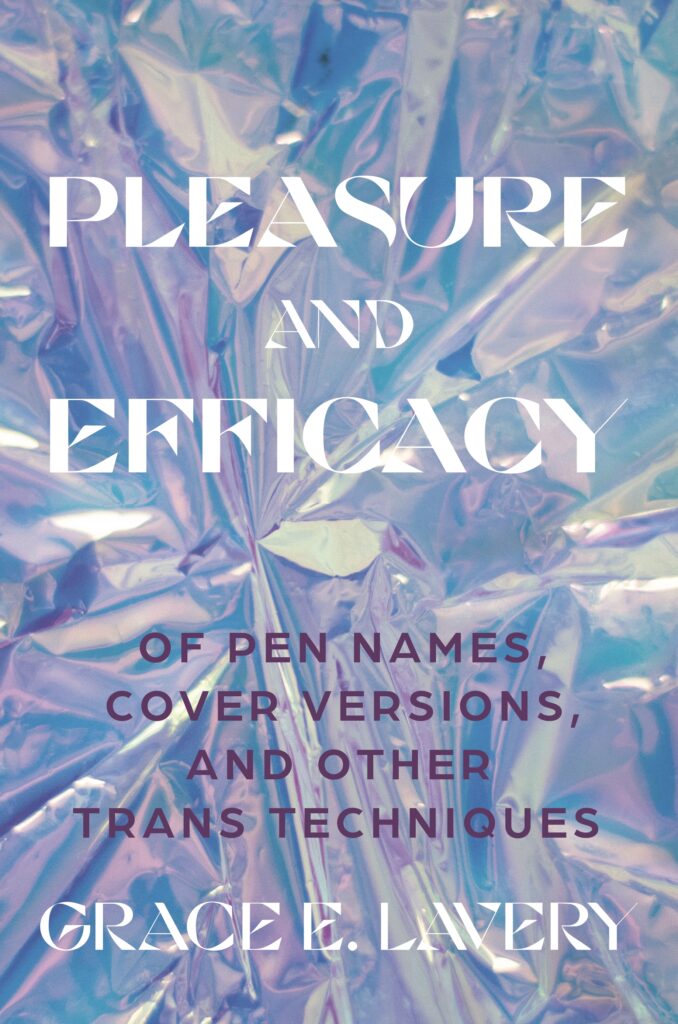
Grace Lavery examines what she terms “trans pragmatism”—the ways that trans people resist medicalization and pathologization to achieve pleasure and freedom. Trans pragmatism, she writes, affirms that transition works, that it is possible, and that it happens. Buy now: Princeton University Press ∿ 2023
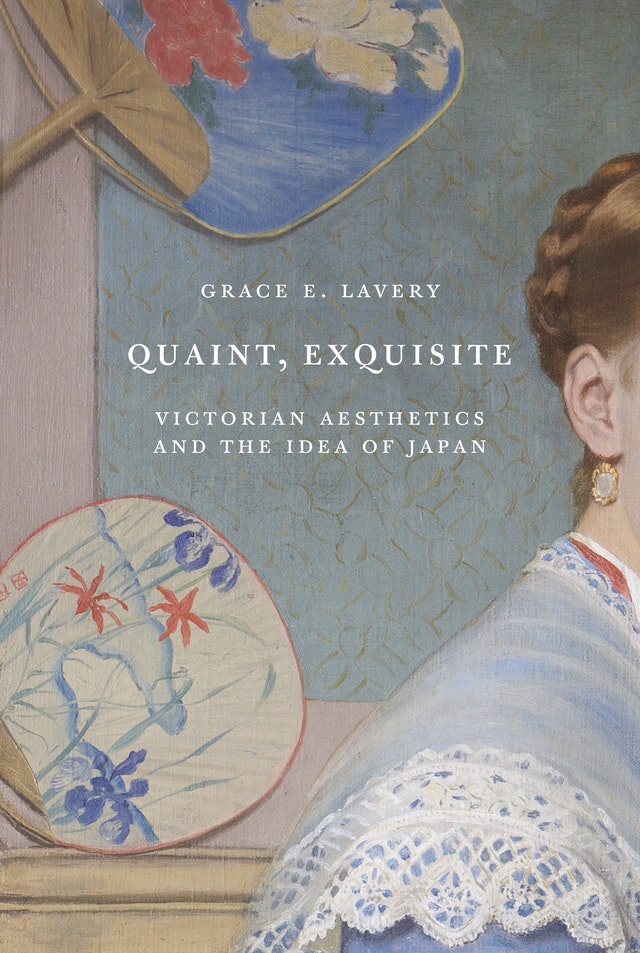
From the opening of trade with Britain in the 1850s, Japan occupied a unique and contradictory place in the Victorian imagination, regarded as both a rival empire and a cradle of exquisite beauty. Quaint, Exquisite explores the enduring impact of this dramatic encounter, showing how the rise of Japan led to a major transformation of Western aesthetics at the dawn of globalization. Buy now: Princeton University Press ∿ 2019